
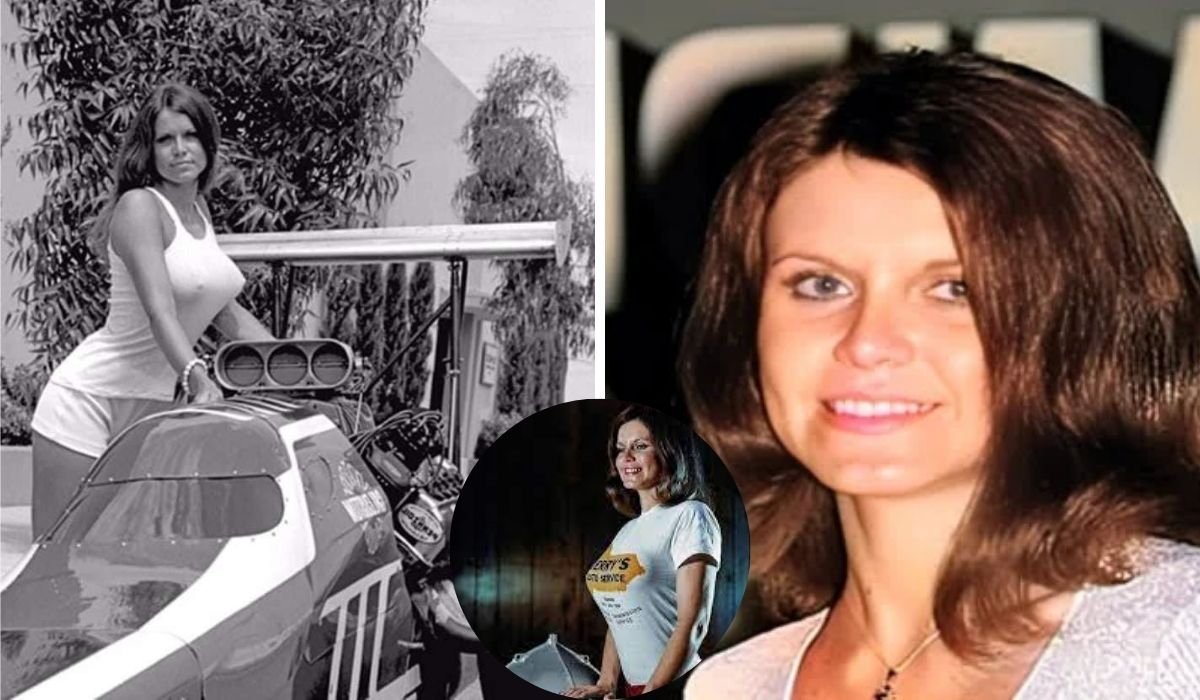
Introduction: The Woman Who Brought Glamour to Drag Racing
When we talk about the golden age of drag racing in the late 1960s and early 1970s, the conversation often turns to roaring engines, burning rubber, and legendary drivers. But alongside the cars, there was another kind of star who captured attention in a very different way. Barbara Rouf was one of those stars. Known as a racing “trophy queen,” she became a cultural icon who added style, glamour, and charm to the racetrack. Fans admired her not just for her looks, but for the energy she brought to every event. Even today, decades later, people still search for Barbara Rouf, curious about her story, her style, and her unforgettable presence.
Quick Bio Information
Full Name: Barbara Rouf
Profession: Drag Racing Trophy Queen
Active Era: Late 1960s – Early 1970s
Known For: Style, Glamour, and Charisma at Racing Events
Signature Style: Miniskirts, Halter Tops, and High Boots
Popularity: Became a Recognized Figure in California Racing Scene
Cultural Influence: Helped Shape Fashion Trends of the 1970s
Legacy: Remembered as an Icon of Drag Racing Culture
Personality: Warm, Charismatic, and Approachable
Lasting Appeal: Represents Empowerment and Style in Motorsports History
Who Was Barbara Rouf?
Barbara Rouf was a familiar face in California’s racing scene during the late 1960s and early 1970s. While her role was not behind the wheel, she became just as recognizable as many of the drivers. She worked as a trophy queen, a role that involved presenting awards to winning racers. Yet Barbara was more than a presenter—she became part of the excitement itself. With her wide smile, confident attitude, and striking sense of fashion, she stood out in every race she attended. At a time when women were rarely given the spotlight in motorsports, Barbara carved out her own space, turning what could have been a minor role into one of lasting cultural influence.
People Also Read: Who Is Blake Fertitta? Inside the Life of Tilman Fertitta’s Son
The Role of Trophy Queens in Drag Racing Culture
To understand Barbara Rouf’s impact, it helps to know more about trophy queens. In the late 1960s, drag racing promoters realized that the sport was more than just cars; it was about entertainment. The presence of young, stylish women on stage added a touch of glamour to what was often a rough and noisy environment. Trophy queens handed out awards, posed for photos, and gave fans another reason to connect with the racing experience. Barbara Rouf became the perfect symbol of this trend. Unlike others who came and went, she had a magnetic personality that made her stand out. For fans, she was just as much a part of the show as the cars on the track.
Barbara Rouf’s Measurements and Beauty Standards of the 1970s
One of the most common searches connected to Barbara Rouf involves her measurements. Unlike Hollywood actresses or fashion models, Barbara’s exact height, weight, or body details were never formally recorded. What is clear, however, is that she embodied the beauty ideals of the early 1970s. She was often described as tall and slim, with long legs and a narrow waist. Her athletic yet feminine appearance matched perfectly with the fashion of the time. Beauty standards during this era celebrated natural looks and confidence, and Barbara fit that image with ease. While we may never know her precise measurements, her appeal was never just about numbers. It was about the way she carried herself and how her presence lit up every event she attended.
A Style Icon on the Racetrack
Barbara Rouf’s style was a reflection of her era. She wore colorful miniskirts, halter tops, bold patterns, and high boots, making her outfits instantly recognizable. These were the looks that defined 1970s California fashion—bright, carefree, and fun. While the racetrack was far from a glamorous place, Barbara managed to bring elegance into the mix. She was often photographed in racing magazines, standing proudly alongside winning drivers, dressed in outfits that captured the attention of fans. Her style wasn’t just about looking good; it made her a trendsetter. Many young women at the time admired her fashion and were inspired to try similar looks, making Barbara a quiet influencer of 1970s fashion trends.
Why Fans Still Search for Barbara Rouf Today
The fascination with Barbara Rouf continues even today. Fans search for her story, her photos, and her measurements, not just out of curiosity, but as a way to relive a unique period in motorsport history. In an age before social media, stars like Barbara carried an air of mystery. People could only see her at races or in magazines, which made her all the more intriguing. Today’s interest in Barbara is not only about her looks but also about her role as a cultural figure. She represents an era when drag racing was more than a sport—it was a community event, and Barbara was a central part of that experience.
Barbara Rouf’s Impact on Motorsports Events
Barbara Rouf changed the way fans experienced drag racing. She added a sense of glamour that softened the harshness of the sport’s environment. Her presence brought balance: the thunder of engines paired with her graceful image on stage. By elevating the trophy queen role into something memorable, she helped drag racing feel like more than just a competition. It became a show. For fans, seeing Barbara present an award was part of the thrill of attending a race. This cultural shift is one of the reasons she is still remembered today.
Legacy in Fashion and Popular Culture
While Barbara Rouf never starred in films or became a recording artist, her influence was undeniable in popular culture. She was regularly featured in racing magazines and photos that circulated among fans. Her minidresses and signature boots became her unofficial uniform, and these images helped spread her style far beyond the racetrack. Barbara proved that even in a male-dominated world of motorsports, a woman could leave a lasting cultural imprint. She remains a figure whose influence in fashion and culture continues to be appreciated by those who study the history of motorsports and 1970s style.
Beyond the Spotlight: The Human Side of Barbara Rouf
What made Barbara Rouf stand out was not just her beauty but her personality. Fans who met her remembered her warmth, charm, and ability to connect with people. She did not simply stand on stage; she engaged with the energy of the event. While much of her personal life outside of racing remains private, the memories shared by fans highlight how genuine she was. She was more than just a glamorous figure—she was approachable, kind, and full of life. This combination of beauty and warmth helped her create a loyal following that still exists today.
Why Barbara Rouf Still Matters Today
Barbara Rouf’s story matters because she represents more than fashion or measurements. She was a woman who carved out her own space in a sport dominated by men and did so with grace and confidence. She transformed drag racing into more than just a technical competition. With her presence, races became cultural events, filled with energy, beauty, and personality. Even though decades have passed, she remains a symbol of empowerment and style. Her memory continues to inspire new generations who look back at that golden era of racing with admiration.
Conclusion: Celebrating an Icon of Racing History
Barbara Rouf remains one of the most beloved figures in drag racing history. Her charm, confidence, and timeless style turned her into an icon who is still remembered today. While her exact measurements may never be known, her influence was never about statistics. It was about her ability to elevate racing event and bring something special to the track. Barbara Rouf proved that influence isn’t measured in numbers, but in the memories and emotions a person leaves behind. She will always be remembered as the racing beauty who stole the spotlight.
FAQs About Barbara Rouf
Who was Barbara Rouf?
Barbara Rouf was a drag racing trophy queen who rose to fame in California during the late 1960s and early 1970s. She became known for her beauty, style, and charisma at racing events.
Why is Barbara Rouf remembered today?
She is remembered for her role in transforming drag racing events into cultural spectacles, adding glamour and personality that made races unforgettable.
What were Barbara Rouf’s measurements?
Her exact measurements were never officially recorded. However, she was described as tall, slim, with long legs and a narrow waist, fitting the beauty standards of the 1970s.
What made Barbara Rouf stand out?
Her combination of natural beauty, stylish fashion, and a warm, engaging personality made her one of the most memorable figures in drag racing culture.
Did Barbara Rouf influence fashion?
Yes, her outfits—miniskirts, halter tops, and boots—reflected 1970s fashion trends and inspired many young women of her time.
What role did trophy queens play in drag racing?
Trophy queens handed out awards to winning racers, posed for photographs, and added glamour to the sport. Barbara Rouf was one of the most popular and influential trophy queens of her era.
What is Barbara Rouf’s legacy?
Her legacy is not about numbers or measurements but about her cultural impact. She is remembered as a racing beauty who brought glamour, excitement, and personality to the motorsports world.